 English
  عربى
عربى  Español
  Deutsch
 Choosing the Right Mountaineering Belt: From Sport Climbing to Ice Ascents
Jinhua JECH Tools Co., Ltd. has specialized in personal protective equipment for high-altitude work for 16 years. As a national standard drafting organization, the company operates a professional product testing center certified to ISO/IEC 17025 (CNAS L20086).
In the world of outdoor adventure, few pieces of gear are as essential and often underestimated as the Mountaineering Belt. Whether you are scaling granite walls in Yosemite, navigating vertical ice routes in the Alps, or trekking through alpine ridges, a reliable Mountaineering Belt plays a critical role in safety and performance. As the number of climbers increases globally, understanding how to choose the right Mountaineering Belt becomes more important than ever.
Different Climbing Styles, Different Belt Requirements
Each style of climbing places unique demands on a Mountaineering Belt. For instance, traditional climbing (or trad climbing), where climbers place their own protection, often requires a Mountaineering Belt that offers multiple gear loops, high durability, and comfort during long pitches. Trad climbers typically carry cams, nuts, slings, and other hardware, making storage and accessibility a top priority.
Sport climbing, on the other hand, emphasizes movement, agility, and quick clips. Sport climbers often prefer a lighter Mountaineering Belt with fewer gear loops and a more minimalist design. Comfort during repeated falls and minimal restriction during dynamic movements are key factors in belt selection.
When it comes to ice climbing, insulation and moisture resistance become critical. Ice climbers tend to look for Mountaineering Belts that can be easily adjusted over layers of clothing and that remain functional in sub-zero conditions. Belts with reinforced tie-in points, corrosion-resistant buckles, and breathable padding provide added benefits in these environments.
Case Study: Three Climbers, Three Belts
Consider the experience of climbers from three different backgrounds:
Alex, a sport climber from Spain, prefers the Petzl Hirundos Mountaineering Belt for his weekend projects in Margalef. Its slim waist design and minimal weight make it ideal for pushing grade boundaries on overhanging routes.
Maya, an alpine guide in Switzerland, swears by the Black Diamond Technician Mountaineering Belt for its winter compatibility and easy adjustability over thick layers. It performed reliably during a multi-day ascent of the Eiger North Face last December.
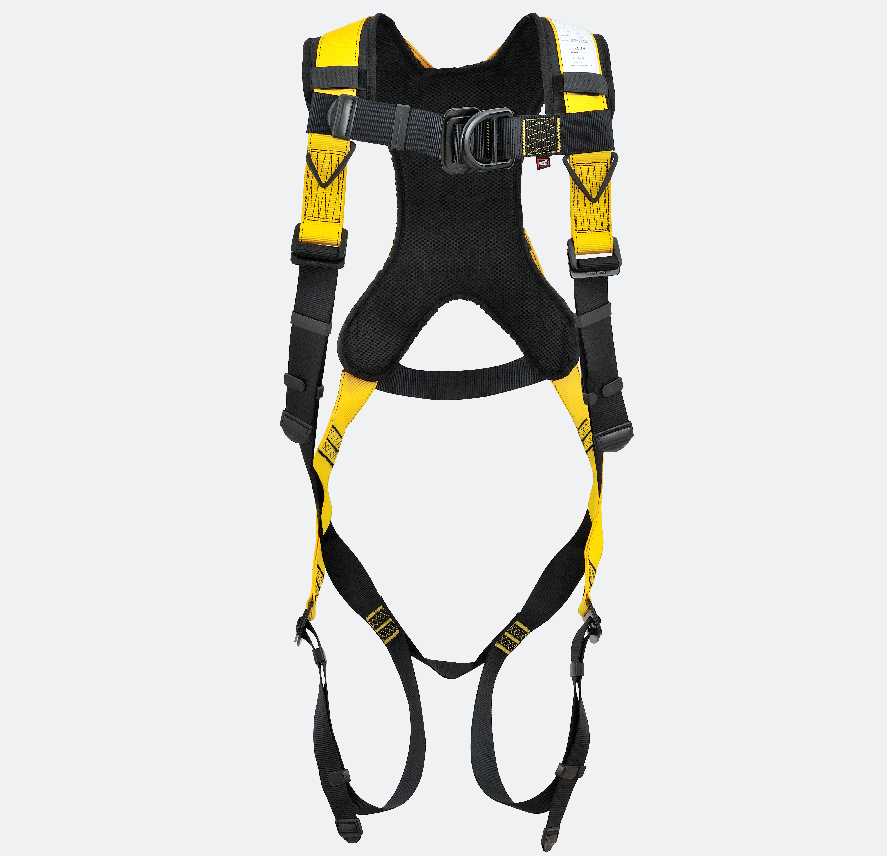
Liam, a traditional climber in Yosemite, uses the DMM Renegade Mountaineering Belt, which features seven gear loops and all-day comfort. He recently completed the 30-pitch “The Nose” route on El Capitan, relying heavily on the belt’s gear capacity and support.
Each climber selected a Mountaineering Belt tailored to their specific climbing discipline, and each benefited from the right gear at the right time.
Choosing for Beginners vs Professionals
For beginners, the ideal Mountaineering Belt should focus on comfort, ease of use, and basic safety features. Look for belts with color-coded tie-in loops, auto-locking buckles, and wide padded waistbands. Brands like Edelrid and Mammut offer beginner-friendly options that strike a good balance between support and simplicity.
Professional climbers, by contrast, often look for advanced features such as modular gear loops, ice clipper slots, and ultra-light materials. They may use multiple types of Mountaineering Belts depending on the climb. For them, weight, functionality, and adjustability are crucial considerations.
The Safety Component
A Mountaineering Belt is more than just a means of attachment. It’s a life-saving piece of equipment that must meet international safety standards such as UIAA and CE certifications. reputable brands design their belts to endure kilonewtons of force, with reinforced stitching and durable high-tensile materials.
Regular inspection and proper usage are critical. Even the advanced Mountaineering Belt can become a liability if used improperly or beyond its lifespan. Climbers are advised to replace their belts after 5–7 years of regular use or following any major fall or visible wear.
The choice of a Mountaineering Belt should be based on the specific demands of your climbing style, experience level, and the environment in which you operate. From Alex’s sport projects in Spain to Maya’s icy ascents in the Alps, a well-chosen Mountaineering Belt can significantly enhance both safety and performance.
As climbing continues to evolve, manufacturers are investing more in innovation, comfort, and environmental durability. Whether you're tying in for your indoor route or preparing for an expedition to Patagonia, your Mountaineering Belt remains a foundational part of your gear—and your safety system.
Choosing wisely is not just about features—it's about knowing your terrain, your goals, and your limits. And that begins with the right Mountaineering Belt.
Your email address will not be published. Required fields are marked *

One-stop work at height solutions
Contact Us
- No.1448 Tongxi Road Linjiang Industrial Zone, Wucheng District, Jinhua city 321025, Zhejiang Province, China
- +86-579-82210589
- jech@jechsafety.com
Subscribe US
Stay updated with our latest news. We promise.