
 English
 عربى
 Español
 Deutsch
What Makes A Harness Comfortable Enough For Long Workdays?
Jinhua JECH Tools Co., Ltd. has specialized in personal protective equipment for high-altitude work for 16 years. As a national standard drafting organization, the company operates a professional product testing center certified to ISO/IEC 17025 (CNAS L20086).
Hours spent working at height demand equipment that feels familiar, stable, and supportive. When crews spend entire shifts climbing, bending, or carrying tools, even small details in Safety Harnesses can affect how smoothly the day goes. This is why many buyers sourcing Wholesale Safety Harnesses focus on comfort as much as structure. A harness may meet technical requirements, but the real question is whether workers can wear it throughout the day without distraction.
Comfort in Safety Harnesses is shaped by several practical factors. These elements influence how easily workers move, how the equipment sits on the body, and how quickly it can be adjusted to suit different working conditions. Below are the considerations that matter for teams using harnesses in high-rise building work, industrial jobs, and other elevated environments.
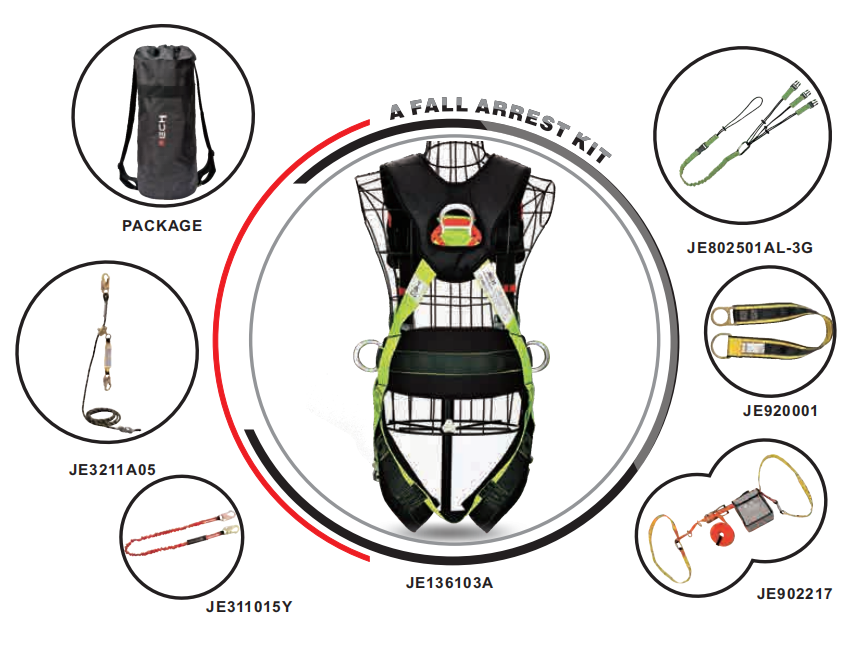
1. Fit that adapts to real movement
Workers seldom stay in one position. They kneel, twist, reach, balance, and carry tools—a harness must support all of this without digging into the body or shifting out of place. Many procurement teams look for clean strap routing, balanced weight distribution, and points that stay centered during movement.
A comfortable harness often includes:
- Straps that follow natural body lines
- Adjusters that stay tight once set
- Webbing with enough flexibility to handle dynamic tasks
Manufacturers producing Safety Harnesses understand that a stable fit helps reduce unnecessary readjustments during the day. When the equipment moves with the user instead of against them, the workday becomes smoother and less tiring.
2. Padding positioned where pressure builds
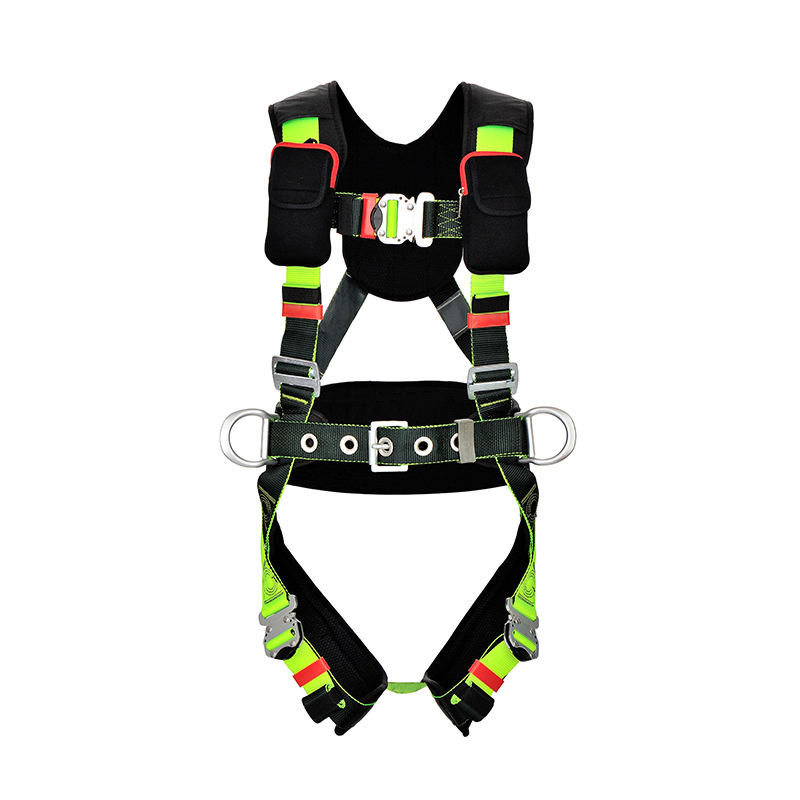
Long work periods can create pressure on the shoulders, thighs, and hips. Without padding in the right areas, discomfort grows over time. Modern Safety Harnesses often place cushioning along contact points that bear more load, especially during suspended tasks or when leaning outward from a structure.
Buyers frequently look for:
- Soft panels that cushion weight
- Breathable padding that reduces heat build-up
- Smooth edges that avoid friction on clothing or skin
For workers on high-rise buildings, these features help maintain stability when standing on narrow ledges, moving between platforms, or handling tools overhead. The cushioning doesn't eliminate the strain of long hours, but it helps make the equipment easier to live with across a shift.
3. Simple adjustment and fast setup
A harness that takes too long to put on or requires constant tweaking can slow down a whole team. This is why ease of adjustment is a key part of comfort. Quick-release buckles, clear strap paths, and intuitive sizing points allow workers to gear up quickly and fine-tune the fit without guesswork.
Suppliers offering Wholesale Safety Harnesses usually highlight these usability details because they directly influence daily routines. A harness that fits properly from the start helps workers stay focused on their tasks rather than their gear.
4. Materials built for long shifts in active environments
Comfort also depends on the materials used in the harness. Webbing that is too stiff, hardware that is too heavy, or components that trap moisture can make long days feel even longer. Many teams prefer materials with moderate flexibility, dependable texture, and the ability to handle outdoor conditions.
Buyers usually consider whether the harness offers:
- Breathable fabric that reduces heat and sweat
- Hardware shaped to avoid pressure points
- Webbing that softens slightly with use but stays strong
Factories producing Safety Harnesses for industrial and high-rise building work often choose materials that maintain structure but still allow the user to move freely. This combination supports both comfort and consistent performance.
Crews working at height rely on equipment that feels supportive without drawing attention to itself. When Safety Harnesses are shaped around movement, easy adjustments, thoughtful padding, and quality materials, workers can get through long shifts with fewer interruptions. This is why buyers searching for Wholesale Safety Harnesses often examine comfort as closely as technical specifications—it directly affects the workday and the way teams operate from morning to finish.
Your email address will not be published. Required fields are marked *

One-stop work at height solutions
Contact Us
- No.1448 Tongxi Road Linjiang Industrial Zone, Wucheng District, Jinhua city 321025, Zhejiang Province, China
- +86-579-82210589
- jech@jechsafety.com
Subscribe US
Stay updated with our latest news. We promise.