 English
 Why Use Silicone Self Healing Tape?

Jinhua JECH Tools Co., Ltd. has specialized in personal protective equipment for high-altitude work for 16 years. As a national standard drafting organization, the company operates a professional product testing center certified to ISO/IEC 17025 (CNAS L20086).
Electrical maintenance crews rarely expect great working conditions. A repair might happen beside a wet dock, inside a dusty workshop, or outdoors during changing weather. In those situations, ordinary adhesive tape often becomes unreliable after only a short period of use. Moisture, vibration, and heat gradually weaken the adhesive layer, especially when cables or connectors move frequently during operation. Because of this, many technicians have started using silicone self healing tape as part of their regular maintenance supplies.
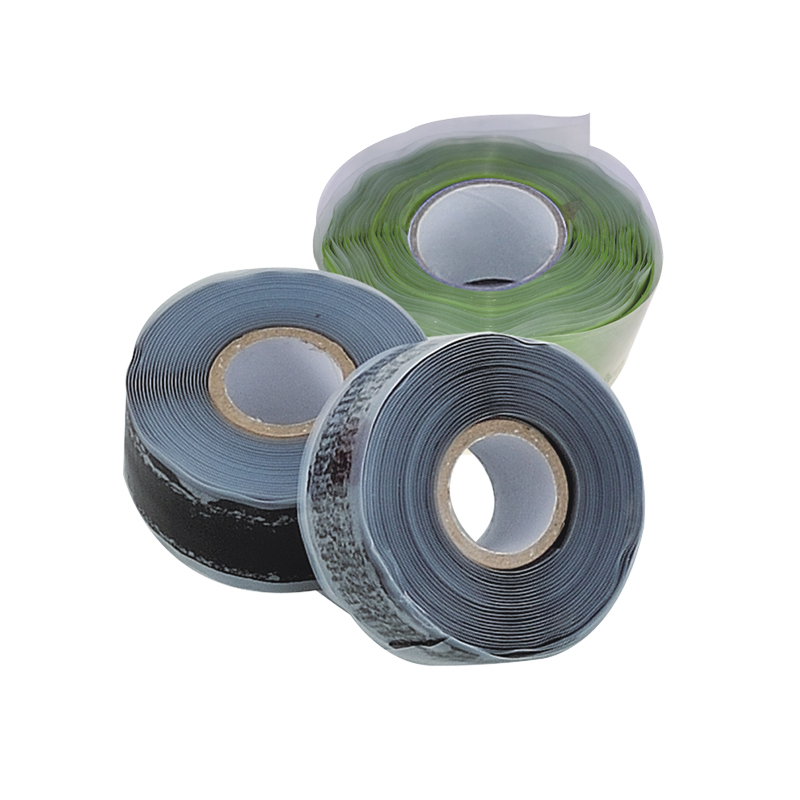
Unlike standard electrical tape, silicone-based tape does not depend on glue. The material stretches during application and bonds to itself once wrapped under tension. After a short time, the layers form a single protective covering that stays flexible while helping shield cables, connectors, and exposed surfaces from outside conditions. The tape is now commonly seen in electrical maintenance, marine repair, utility work, and industrial servicing where quick temporary protection is often necessary.
What Makes Silicone Self Healing Tape Different?
The biggest difference is the material itself. Traditional tapes rely on adhesive contact with the surface underneath, while silicone self healing tape creates a seal by fusing to its own layers. This changes how the tape behaves in real working environments.
For example, workers can remove it without dealing with heavy adhesive residue. The tape also adapts more easily to uneven surfaces or awkward cable layouts that would normally cause standard tape to loosen over time.
Several practical features have made the material increasingly common in field repair work.
- Wraps tightly around irregular connectors and fittings.
- Maintains flexibility after exposure to outdoor conditions.
- Helps reduce moisture contact around exposed wiring.
- Creates temporary insulation without additional tools.
- Handles vibration better than many adhesive tapes.
Another reason technicians prefer silicone self healing tape is its ability to stay stable during temperature changes. Some adhesive products become brittle in cold conditions or soften during heat exposure, but silicone materials generally maintain more consistent flexibility.
Where Is It Commonly Used?
Electrical repair remains one of the common applications. Maintenance workers often use silicone self healing tape around damaged insulation, temporary cable splices, and exposed wiring during emergency repair situations. In many cases, the goal is not to create a permanent repair immediately, but to protect the equipment long enough for scheduled maintenance.
Marine environments create another major use case. Equipment on boats, docks, and coastal installations is regularly exposed to humidity and salt air. Standard adhesive tape may peel away quickly in those conditions. Silicone materials generally hold up better, which is why marine technicians frequently keep self-fusing tape available in repair kits.
Industrial maintenance teams also rely on the material during routine inspections. Portable pumps, hose connections, outdoor control boxes, and tethered tools may all require temporary wrapping or protective sealing at different stages of operation. Workers often choose silicone self healing tape because it can be applied quickly without waiting for adhesives, curing compounds, or heating equipment.
Utility and telecom work have also contributed to growing demand. Outdoor cable systems experience constant environmental exposure, and crews need products that are portable, flexible, and easy to carry between job sites.
What Should Buyers Pay Attention To?
Not every silicone tape performs the same way. Material thickness, stretch level, and temperature tolerance can vary noticeably between products. A thinner tape may work better around compact wiring or narrow connectors, while thicker materials may offer more physical protection in rough environments.
Weather exposure also matters. Outdoor applications often require UV resistance and reliable performance during heat, cold, or rain. Industrial users may additionally look for resistance to abrasion, chemicals, or oil exposure depending on the environment.
Some buyers focus too heavily on technical specifications alone. In practice, many maintenance teams prefer testing silicone self healing tape directly under real working conditions before committing to larger orders. Installation surfaces, weather conditions, and movement around the repair area can all affect long-term performance.
Why Proper Application Still Matters?
Even durable tape can perform poorly if installed carelessly. Most technicians recommend stretching the tape evenly and overlapping each layer consistently during wrapping. Gaps between layers may allow moisture or debris to reach the protected area.
Surface condition can also influence results. Dirt, oil, or standing water may interfere with how tightly the layers fuse together. Before applying silicone self healing tape, workers usually clean the repair area as much as possible to improve contact.
Storage is another overlooked factor. Excessive heat and direct sunlight over long periods may gradually affect flexibility before the tape is even used. Keeping the material stored correctly helps maintain reliable performance during future repairs.
As maintenance work becomes more mobile and fast-paced, flexible repair materials continue gaining attention across multiple industries. For technicians handling cables, tools, connectors, or temporary insulation work, silicone self healing tape offers a practical balance between speed, protection, and ease of use in everyday field conditions.
Your email address will not be published. Required fields are marked *

One-stop work at height solutions
Contact Us
- No.1448 Tongxi Road Linjiang Industrial Zone, Wucheng District, Jinhua city 321025, Zhejiang Province, China
- +86-579-82210589
- jech@jechsafety.com
Subscribe US
Stay updated with our latest news. We promise.