 English
 عربى
 Español
 Deutsch
Can a Wholesale Mountaineering Belt Fit Different Climbers?
Jinhua JECH Tools Co., Ltd. has specialized in personal protective equipment for high-altitude work for 16 years. As a national standard drafting organization, the company operates a professional product testing center certified to ISO/IEC 17025 (CNAS L20086).
Climbing activities demand reliable personal protective equipment that works smoothly with other gear. A Mountaineering Belt is not just a strap around the waist; it is a seat harness designed for fall protection during climbing and mountaineering sports. For outdoor brands, distributors, and equipment suppliers, choosing the right Wholesale Mountaineering Belt supplier is about performance, compliance, and long-term cooperation.
Understanding the Role of a Mountaineering Belt
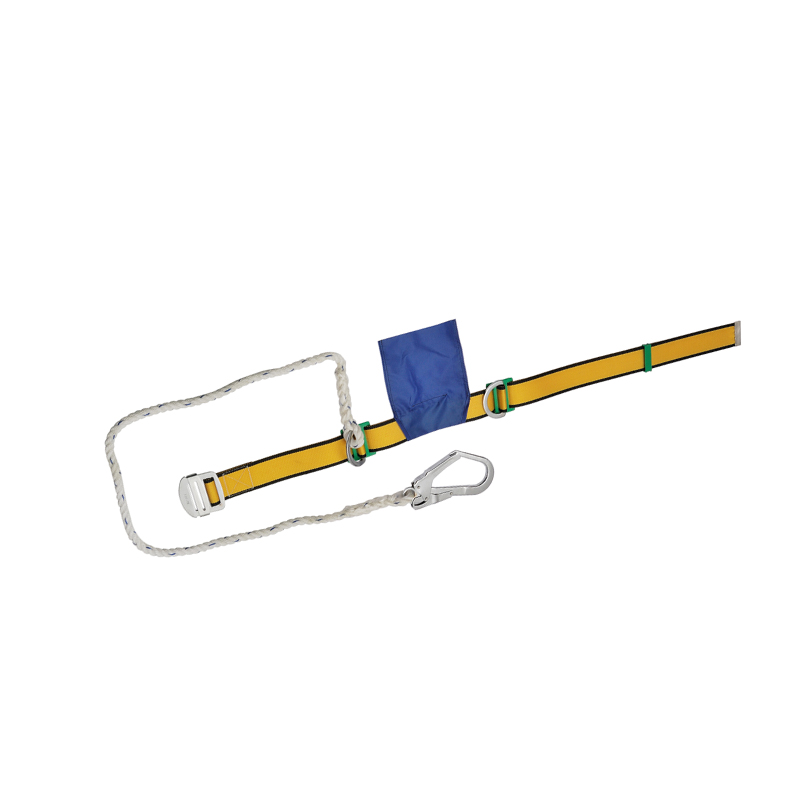
A Mountaineering Belt is used together with a mountaineering carabiner and kernmantle rope during climbing or sports activities. It belongs to personal protective equipment (PPE) and is designed to support the climber in suspended or fall-arrest situations.
The structure typically includes:
- Waist webbing with an adjuster buckle
- Two thigh straps
- Reinforced tie-in points
- Durable stitching construction
The balance between comfort and structural strength is critical. Climbers move, bend, and hang for long periods, so the harness must distribute weight properly without causing pressure points.
Polyester vs Nylon Webbing: Which Is Suitable?
Material selection is a common sourcing concern. A Mountaineering Belt is typically made from polyester or nylon webbing.
- Polyester Webbing
Lower water absorption
Good UV resistance
Stable dimension under humidity changes
- Nylon Webbing
Higher elasticity
Strong abrasion resistance
Softer hand feel in some constructions.
The choice depends on product positioning. For humid or coastal markets, polyester may provide better long-term performance. For applications where flexibility and dynamic comfort are valued, nylon can be considered.
Discussing the end-use environment with the factory helps align material selection with product expectations.
Buckle Systems and Adjustment Design
Adjustment systems directly influence user experience. A Wholesale Mountaineering Belt usually features metal adjuster buckles on the waist and thigh straps.
Important points to evaluate:
- Buckle material (steel or aluminum alloy)
- Anti-slip structure
- Smooth adjustment under load
- Edge finishing to avoid webbing damage.e
Waist and leg adjustabilitallowws the harness to fit different body shapes and clothing thicknesses. This flexibility reduces SKU complexity for brands targeting broader size ranges.
Comfort Considerations Without Compromising Function
Climbers spend hours wearing their harness. Comfort influences brand reputation just as much as structural reliability.
Key comfort factors include:
- Webbing edge finishing
- Waist-to-leg strap ratio
- Breathable structure
- Balanced weight
A well-designed Wholesale Mountaineering Belt should feel stable when standing, sitting in suspension, or moving along rock surfaces. Overly stiff webbing can reduce comfort, while overly soft webbing may reduce structural stability. The correct balance depends on target use scenarios such as sport climbing or mountaineering routes.
Production Control in Factory Manufacturing
From a factory standpoint, stable production control builds trust with long-term partners. Important manufacturing processes include:
- Webbing tensile testing before assembly
- In-line inspection during sewing
- Random sampling for load testing
- Visual inspection for surface defects
How to Evaluate a Wholesale Mountaineering Belt Factory
When selecting a production partner, focus on:
- Experience with PPE category manufacturing
- Understanding of EN12277 requirements
- Ability to provide consistent webbing sourcing
- Sample development capability
Communication efficiency
Climbing equipment markets rely heavily on product reliability and compliance. Working with a stable Wholesale Mountaineering Belt manufacturer supports consistent supply, structured quality control, and predictable production timelines.
Choosing the right factory means balancing material selection, certification compliance, buckle design, and production control. A well-made Mountaineering Belt is more than a sewn product; it is engineered protective equipment designed to work together with ropes and carabiners in real climbing environments.
Your email address will not be published. Required fields are marked *

One-stop work at height solutions
Contact Us
- No.1448 Tongxi Road Linjiang Industrial Zone, Wucheng District, Jinhua city 321025, Zhejiang Province, China
- +86-579-82210589
- jech@jechsafety.com
Subscribe US
Stay updated with our latest news. We promise.