 English
 What Are Low-Stretch Kernmantel Ropes Used For?
Jinhua JECH Tools Co., Ltd. has specialized in personal protective equipment for high-altitude work for 16 years. As a national standard drafting organization, the company operates a professional product testing center certified to ISO/IEC 17025 (CNAS L20086).
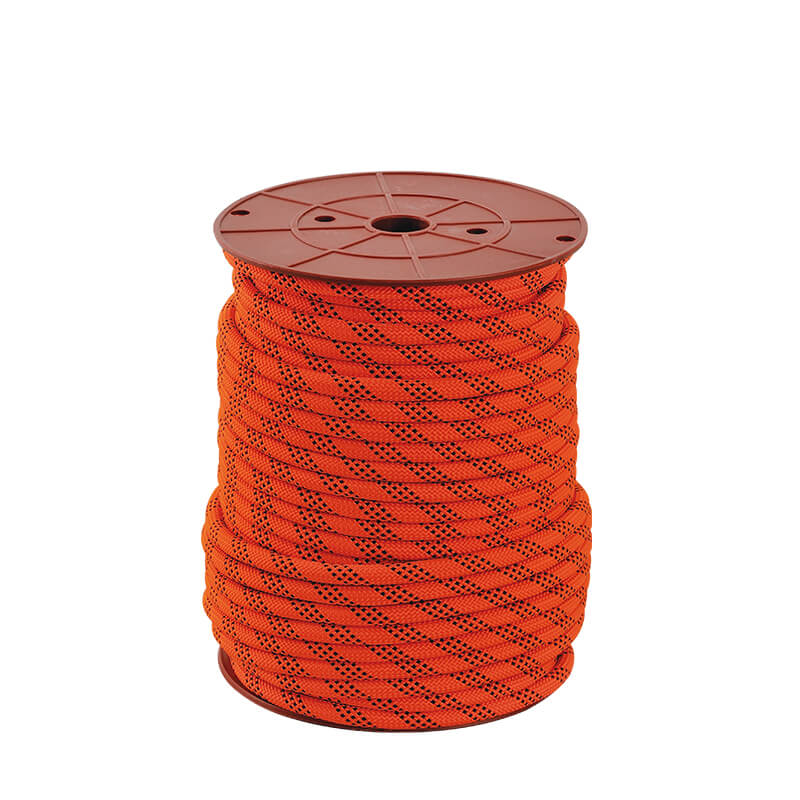
Low-stretch kernmantel ropes are widely used in technical environments where stable handling, controlled movement, and reliable structure matter. For applications such as rappelling, hauling, rope access, canyoneering, rescue, and mountaineering, users often need a rope that performs consistently without excessive elongation during use.
For many sourcing teams and equipment brands, the challenge is not simply finding a rope supplier. The real question is how to select a rope that matches the intended use, diameter range, material preference, and certification requirements. That is where an experienced Low stretch kernmantel ropes Factory becomes relevant.
This article explains what low-stretch kernmantel rope is, where it is used, what buyers often care about, and how a factory can support stable product development and supply.
What Are Low-Stretch Kernmantel Ropes?
The term "kernmantel" refers to the rope's structure. It is built with two main parts:
- Kern (core): carries the main strength
- Mantel (sheath): protects the core and supports abrasion resistance
This construction gives the rope a balanced combination of strength, handling, and wear resistance. Compared with highly elastic rope types, low-stretch kernmantel ropes are designed to limit elongation under load, making them suitable for controlled descent, positioning, and hauling tasks.
These ropes are commonly available in:
- Static kernmantle rope
- Dynamic kernmantle rope
- Normal kernmantle rope
For low-stretch applications, static or low-elongation rope structures are commonly selected when rope movement needs to remain more predictable.
Why Low Stretch Matters in Real Use
One common pain point in rope applications is unstable handling. When a rope stretches too much during descent or work positioning, it can affect movement control, user confidence, and system response.
That is why many users turn to low-stretch kernmantel ropes for technical tasks.
Common advantages include:
- More controlled rope movement
- More stable positioning during vertical work
- Better handling in hauling systems
- Reduced bounce during descent and load transfer
- More consistent feel across repeated use
For distributors, equipment brands, and industrial product developers, this performance profile makes low-stretch rope a practical category with steady demand.
How Material Choice Affects Rope Performance
Material selection is one of the key topics when developing kernmantel rope products. In general, these ropes are commonly made from:
- Polyester
- Nylon
Each material offers different performance characteristics.
Polyester Kernmantel Rope
Polyester is often selected for its:
- Stable handling
- Good abrasion resistance
- Lower water absorption compared with some alternatives
- Consistent structure in varied outdoor conditions
Nylon Kernmantel Rope
Nylon is often valued for its:
- Strong tensile performance
- Flexible handling
- Good durability in repeated use
When working with a low-stretch kernmantel ropes Factory, choosing the right material depends on the intended use rather than general preference. For example, one market may prioritize abrasion resistance, while another may care more about hand feel and flexibility.
Build a Stronger Rope Supply with the Right Factory Partner
In technical rope markets, product clarity matters just as much as manufacturing capability. Buyers are often comparing structure, material, diameter, and application fit—not just price.
That is why working with a specialized low-stretch kernmantel ropes Factory can make product development and supply more straightforward. With polyester or nylon options, multiple rope categories, a diameter range from 8.5mm to 18mm, and CE and UIAA certified production, the product line is well-suited for professional rope applications.
For businesses building or expanding a rope catalog, low-stretch kernmantel ropes remain a practical category with wide application value and steady market relevance.
Your email address will not be published. Required fields are marked *

One-stop work at height solutions
Contact Us
- No.1448 Tongxi Road Linjiang Industrial Zone, Wucheng District, Jinhua city 321025, Zhejiang Province, China
- +86-579-82210589
- jech@jechsafety.com
Subscribe US
Stay updated with our latest news. We promise.