 English
 What Makes Mountaineering equipment: Harness Comfortable for Long Use?

Jinhua JECH Tools Co., Ltd. has specialized in personal protective equipment for high-altitude work for 16 years. As a national standard drafting organization, the company operates a professional product testing center certified to ISO/IEC 17025 (CNAS L20086).
Climbing gear is not chosen by appearance alone. Structure, movement, compatibility, and wearing comfort all affect how the equipment performs during actual use. Among these products, the harness plays a central role because it connects the climber with other core climbing components and supports body positioning during activity.
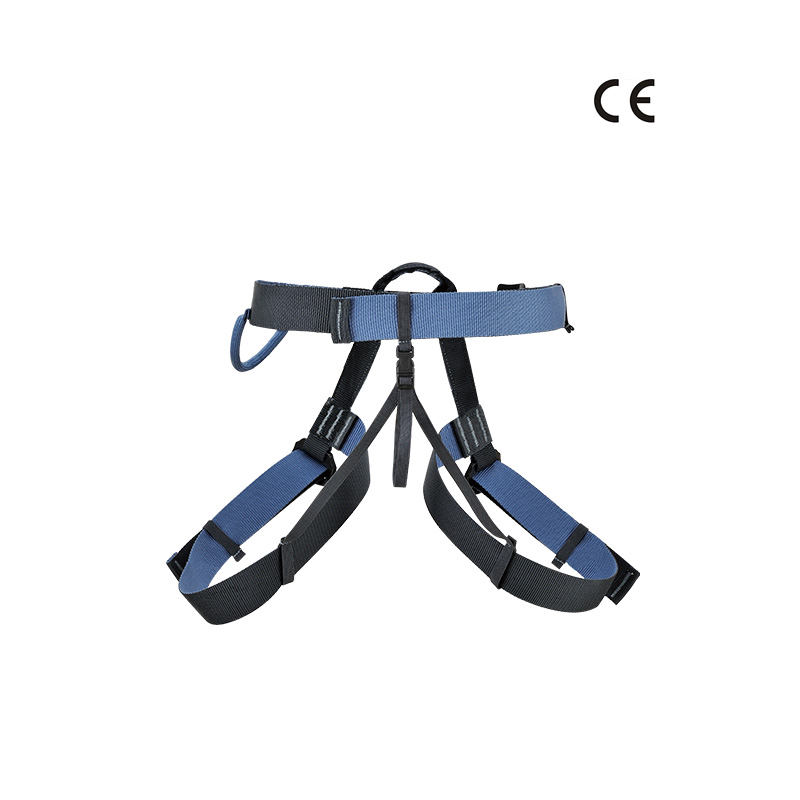
A well-designed Mountaineering equipment: Harness is widely used in climbing and sport-related applications. Whether for training environments, outdoor climbing, or organized sport use, the harness is one of the standard pieces in a climbing setup. It is often used together with related products such as mountaineering belts, mountaineering carabiners, and kernmantle ropes.
For suppliers, distributors, and equipment brands, understanding harness structure is important because not all products fit the same usage pattern. Some users need flexible movement, some need stable wearing comfort, and some focus more on gear compatibility. This is why choosing the right harness style matters from both product and application perspectives.
What is a Mountaineering equipment: Harness Used For?
Mountaineering equipment: The harness is designed to be worn around the waist and legs to support connection during climbing and sports activities. It is part of a larger equipment system rather than an isolated product.
In practical use, the harness is commonly matched with:
- mountaineering carabiners
- kernmantle ropes
- climbing-related connection systems
- other standard mountaineering equipment
Its role is to provide a wearable connection structure that supports body movement while integrating with the rest of the climbing setup.
Because the harness is worn directly on the body, product design matters a lot. A poor fit, inconvenient adjustment, or unbalanced structure can affect the overall experience during use.
Why Do Users Pay Attention to Harness Comfort?
Comfort is one of the main reasons users compare harness models instead of choosing at random. Even when two harnesses appear similar, small design differences can change how the product feels during movement, suspension, or repeated use.
Waist and Leg Fit Matter
A harness should sit in a way that supports movement without feeling overly restrictive. The waist section and leg loops need to work together so the product feels balanced during use.
A practical design often focuses on:
- stable wearing position
- smooth adjustment experience
- balanced body contact
- comfortable movement support
This is especially important in climbing and sport environments where users may wear the harness for extended periods.
Weight Distribution Affects User Experience
A harness that distributes the load more evenly tends to feel more natural during climbing-related activity. This is one of the reasons structure and webbing layout matter so much in product design.
For a Mountaineering equipment: Harness Manufacturer, these details are not just styling choices. They affect whether the product feels practical during actual use.
How Does Harness Design Affect Movement?
Movement is a core part of climbing and sport applications. A harness should support body motion rather than interfere with it. This is why the cut, adjustment zones, and gear integration points matter.
Flexible Movement for Sport and Climbing
Climbing often requires bending, stretching, stepping, and body repositioning. A harness used in these environments should allow natural motion while staying properly positioned on the body.
Users often look for design features that help with:
- easier body movement
- Reduced restriction around the legs
- stable waist placement
- smooth integration with climbing routines
- Simple Adjustment Helps Daily Use
Adjustment is another practical issue. When users need to put on and remove gear regularly, complicated structures often become inconvenient. Clear, functional adjustment systems usually make the product easier to use in both training and outdoor settings.
This is one reason why many product pages from a Mountaineering equipment: Harness Manufacturer should explain not only what the harness is made of, but also how it fits into actual climbing use.
Your email address will not be published. Required fields are marked *

One-stop work at height solutions
Contact Us
- No.1448 Tongxi Road Linjiang Industrial Zone, Wucheng District, Jinhua city 321025, Zhejiang Province, China
- +86-579-82210589
- jech@jechsafety.com
Subscribe US
Stay updated with our latest news. We promise.