
Fall protection equipment gets specified differently depending on the industry asking for it. A window cleaning contractor and an oil mining crew are both connecting to a vertical lifeline, but the conditions their hardware has to survive are not the same, and that difference shows up in why some buyers specify an alloy steel rope grab over lighter alternatives even when both meet the same certification.
An alloy steel rope grab commonly appears in environments where the device faces repeated exposure to abrasive dust, corrosive residue, or heavy mechanical contact — building demolition sites, oil mining operations, and industrial inspection work are typical examples. In these settings, the device is rarely used once and stored; it moves along a vertical line dozens of times per shift, gets dropped on concrete or steel decking, and sits exposed to weather between uses. Buyers sourcing for these conditions generally weigh long-term wear resistance more heavily than weight savings, which is where steel construction has an advantage over lighter alloys.
Demolition crews and inspection technicians share a common requirement: the rope grab has to perform reliably even when visibility is poor and the surrounding structure is unstable. An alloy steel rope grab rated to hold its position on a vertical line under sudden load gives workers a dependable stop point without requiring them to check the device constantly during a task. Inspection operations on aging infrastructure add another factor — the device often has to withstand contact with rusted or rough-surfaced steel, which wears down softer materials faster than it wears down alloy steel components. Teams rotating equipment between multiple demolition sites also value that the same alloy steel rope grab model can be reissued to a different crew without a condition check turning up unexpected surface damage from the previous job.
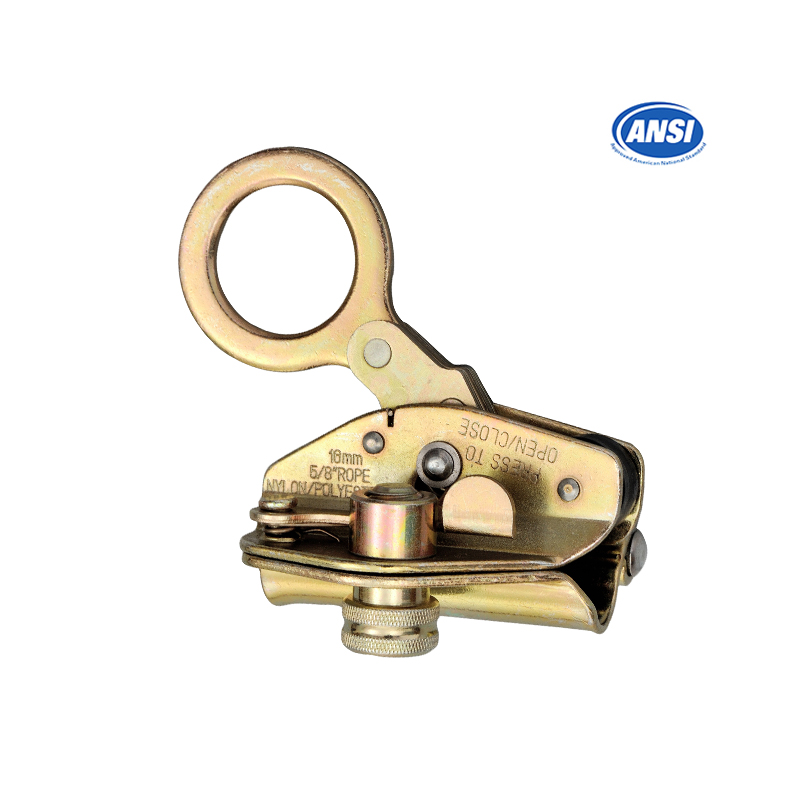
Oil mining sites combine several stresses at once: chemical exposure, temperature swings, and constant vibration from nearby machinery. A rope grab used in this setting needs corrosion resistance built into the base material rather than relying only on a surface coating, since coatings wear through faster under abrasive daily contact. This is part of why buyers in extraction industries frequently request an alloy steel rope grab with a documented strength rating rather than a generic fall-arrest component pulled from a catalog without industry-specific testing behind it.
Window cleaning sits at the opposite end of the use-case spectrum from demolition or mining. The rope grab typically travels the same clean vertical line for hours at a time on a building façade, with less abrasive contact but a stronger emphasis on smooth, predictable movement so the technician can focus on the cleaning task rather than the equipment. Weight matters more here than in heavy industrial settings, which is why some window cleaning contractors choose lighter alloy options for daily use while still keeping a steel-bodied device available for jobs on older or rougher building exteriors.
|
Property |
Alloy Steel Rope Grab |
Aluminium Rope Grab |
|
Weight |
Heavier, around 450g |
Lighter, easier for extended overhead use |
|
Abrasion resistance |
Higher, suited to rough or dusty sites |
Moderate, better for cleaner environments |
|
Typical industries |
Demolition, oil mining, heavy inspection |
Window cleaning, light maintenance |
|
Corrosion behavior |
Resists wear from repeated mechanical contact |
More sensitive to surface scratching |
|
Strength rating |
16kN typical for this design |
Comparable strength, lighter frame |
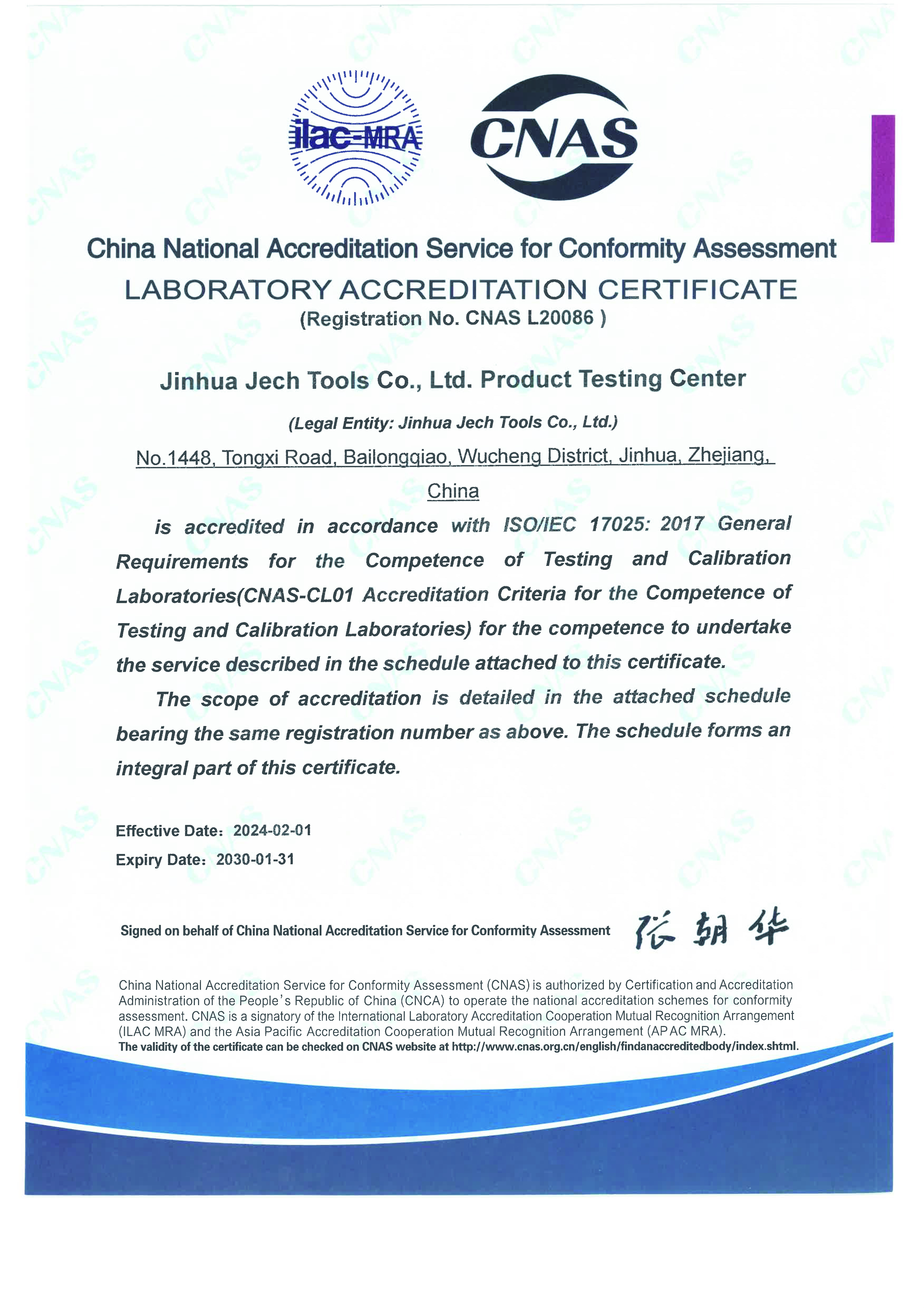
An alloy steel rope grab intended for cross-border sales typically carries both CE certification under EN353-2:2002 and ANSI Z359.15:2014, covering the two standards European and North American buyers commonly ask about. Rope diameter compatibility, usually specified in a 14 to 16mm range for this device type, should also be confirmed against the lifeline already in use on site, since a rope grab rated for one diameter range will not perform predictably on a rope outside that spec. Buyers supplying multiple regions from a single order benefit from confirming both certifications are documented on the same batch rather than assuming dual certification applies automatically across production runs. A factory that keeps CE and ANSI test records tied to the same lot number, rather than treating certification as a one-time approval separate from ongoing production, gives buyers a clearer paper trail when audits or site inspections come up.
Jinhua JECH Tools Co., Ltd. is a manufacturer specializing in the production of high-building safety harness, safety belts, energy absorber lanyard belts, fall arrester and lifelines, climbing supplies and other personal protection equipment.
View All Products
One-stop work at height solutions
Stay updated with pur latest news. We promise.
 English
 Español
 Deutsch
 عربى